Medical Communication & Healthcare Management
Medical Communication & Healthcare Management is a knowledge platform exploring medical communication, healthcare management, digital health and healthcare innovation through accessible, research-based content.

Connecting Medical Knowledge, Healthcare Communication and Management
Medical Communication & Healthcare Management is a knowledge platform dedicated to the intersection of medical communication, healthcare management, digital health and scientific information.
Modern healthcare depends not only on medical and technological advances, but also on the ability to communicate knowledge clearly, coordinate healthcare activities and support informed decision-making.
Our platform explores how healthcare professionals, organizations, researchers and health-related stakeholders can use effective communication and management approaches to improve the way medical information is shared, understood and applied.
From patient-centered communication to digital health, healthcare management, scientific communication and emerging technologies, we provide educational content designed to support a better understanding of the rapidly evolving healthcare environment.
Medical Communication
Medical communication plays an essential role throughout the healthcare system.
Healthcare professionals need to communicate complex medical information with patients, colleagues, researchers and other stakeholders. Effective communication can help make information more understandable, support collaboration and facilitate informed healthcare decisions.
Medical communication includes many different forms of information exchange, including:
- Patient–healthcare professional communication
- Medical education
- Scientific communication
- Healthcare professional communication
- Digital medical communication
- Patient information
- Public health communication
- Medical content creation
- Health information management
The quality of healthcare communication depends not only on the accuracy of the information but also on how the information is presented, adapted to the audience and delivered through appropriate channels.Learn more


Patient-Centered Communication
Patient-centered communication places the patient and their needs at the center of healthcare interactions.
It involves understanding the patient's perspective, communicating information clearly and encouraging meaningful participation in healthcare discussions.
Recent research continues to examine how patient-centered communication can be supported through education, digital platforms and organizational approaches. Read article
Important principles include:
Clarity
Medical information should be presented in language that the intended audience can understand.
Accessibility
Healthcare information should be available through appropriate communication channels and adapted to different audiences.
Active Listening
Understanding patients requires attention to their questions, concerns, expectations and experiences.
Shared Understanding
Healthcare communication should facilitate an exchange of information between professionals and patients rather than simply transmitting information in one direction.
Trust and Credibility
Medical information should be technically accurate, transparent and supported by reliable evidence.
Healthcare Management
Healthcare management brings together organizational, operational and strategic approaches used to coordinate healthcare services.
Healthcare organizations operate within complex environments involving healthcare professionals, patients, technologies, data, regulations and financial resources.
Effective management can support:
- Healthcare service organization
- Resource management
- Quality improvement
- Healthcare operations
- Team coordination
- Digital transformation
- Data management
- Strategic planning
- Innovation management
- Patient experience
The management perspective is particularly important as healthcare systems increasingly incorporate digital technologies and data-driven approaches. Research on digital health management highlights the importance of understanding both technological and organizational dimensions. Read article
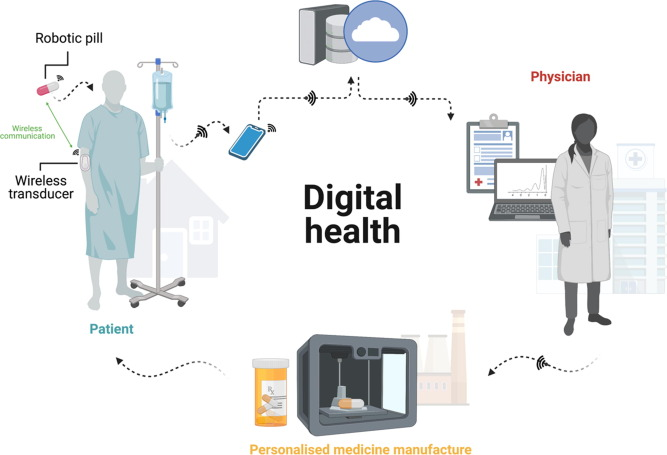
Digital Health and Healthcare Innovation
Digital technologies are transforming how healthcare information is generated, communicated and managed.
Digital health includes a broad range of technologies and services designed to support healthcare delivery, information exchange, decision-making and health-system activities.
The World Health Organization identifies digital health as an important area for improving health and supporting the translation of evidence and data into action.
Digital health can include:
- Electronic health records
- Telehealth
- Mobile health applications
- Digital patient education
- Health information systems
- Clinical communication platforms
- Data-driven healthcare
- Artificial intelligence
- Digital monitoring
- Online healthcare services
Digital technologies also create new opportunities for healthcare organizations to communicate with patients and professional communities. Learn more
Scientific Communication
Scientific communication connects research findings with the people who need to understand and use them.
Researchers generate increasingly complex information, but scientific knowledge has limited impact if it cannot be communicated effectively.
Scientific communication can involve:
- Research articles
- Scientific presentations
- Medical education
- Research summaries
- Infographics
- Scientific websites
- Professional publications
- Conference communication
- Evidence-based educational content
Clear scientific communication requires a balance between technical accuracy and accessibility.
Our content explores methods for transforming complex scientific information into structured and understandable material without losing its scientific meaning.

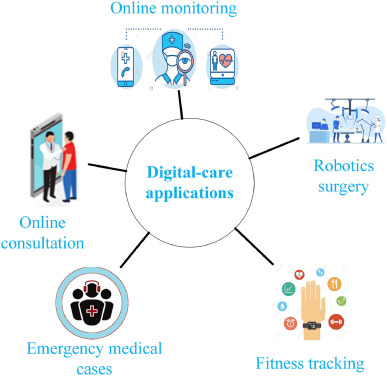
Healthcare Communication in the Digital Era
Healthcare communication is increasingly taking place through digital channels.
Websites, patient portals, mobile applications, social media and online educational platforms allow health information to reach audiences rapidly and across geographical boundaries.
However, digital communication also creates challenges related to information quality, misinformation, privacy, accessibility and digital literacy.
The WHO emphasizes the importance of trusted, science-based digital health communication and identifies misinformation as an important challenge for online health information.
Effective digital healthcare communication therefore requires:
Reliable information + appropriate communication channels + audience understanding + responsible technology use.
Communication and Healthcare Professionals
Healthcare professionals communicate with multiple audiences every day.
A physician may communicate with a patient, while also working with nurses, pharmacists, laboratory professionals, administrators and other specialists.
Healthcare communication therefore extends beyond the consultation room.
Professional communication can contribute to:
- Team coordination
- Information sharing
- Patient education
- Clinical collaboration
- Healthcare training
- Organizational efficiency
- Continuity of care
Digital communication is also creating new requirements for healthcare professionals. A recent 2026 qualitative synthesis found that digital clinical communication can affect different stages of clinical consultations and highlighted the importance of training and teamwork in digital communication. Read article
Healthcare Information Management
Healthcare organizations generate large amounts of information every day.
Patient information, clinical documentation, laboratory results, research data and administrative information all need to be appropriately managed.
Healthcare information management involves the organization, storage, communication and use of health-related information.
A structured approach can support:
- Information accessibility
- Data organization
- Communication between teams
- Decision-making
- Documentation
- Healthcare quality
- Digital transformation
As healthcare becomes increasingly data-driven, information management is becoming closely connected with digital health and organizational management.

Medical Communication and Technology
Technology is changing the way medical information is created and distributed.
Artificial intelligence, natural language processing, digital platforms and automated communication tools are increasingly being explored in healthcare.
Generative AI, for example, is being studied for applications including medical documentation, patient messaging and healthcare communication. Current research also highlights questions concerning accuracy, privacy, equity and the preservation of patient-centered communication.
Technology should therefore be considered not only as a technical tool but also as part of a broader communication and management environment. Read article
Healthcare Management and Digital Transformation
Digital transformation requires more than simply introducing new technologies.
Healthcare organizations must also consider:
- Staff training
- Workflow integration
- Communication
- Data governance
- User experience
- Organizational change
- Security
- Interoperability
- Evaluation
The WHO's classification of digital health interventions provides a framework for describing different digital interventions, services and applications according to their users and functions.
Successful digital transformation therefore involves the interaction between technology, people, processes and communication.
Education and Knowledge
Medical Communication & Healthcare Management also serves as an educational space.
Our educational resources can introduce fundamental concepts related to:
Medical Communication
Understanding the principles of professional, patient-centered and scientific communication.
Healthcare Management
Exploring organizational and strategic concepts used in healthcare environments.
Digital Health
Understanding how digital technologies are changing healthcare delivery and communication.
Scientific Communication
Learning how scientific information can be structured and communicated effectively.
Healthcare Innovation
Exploring emerging technologies and new approaches to healthcare organization.

Featured Knowledge

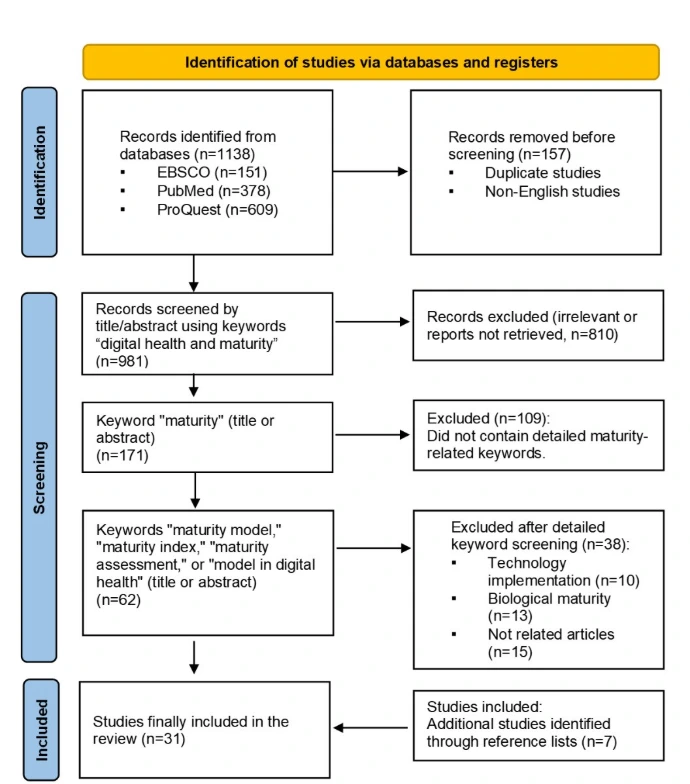
Digital Health Communication
Digital healthcare requires communication strategies that combine accessibility, engagement, personalization and appropriate use of technology. A systematic review published in 2025 examined communication dimensions within digital-health maturity models.
Digital Clinical Communication in Healthcare
Digital communication is becoming an increasingly important component of healthcare interactions. Recent research has examined how digital tools influence communication between clinicians and patients and how healthcare professionals can develop appropriate digital communication skills.Read article
Patient-Centered Communication
Patient-centered communication focuses on interactions that take patients' needs, perspectives and values into account. Recent literature examines how healthcare organizations and medical societies can support patient-centered communication through education, digital engagement and communication models.Read article
Our Main Areas
Medical Communication
Explore patient communication, professional communication, medical education and healthcare information.
Healthcare Management
Discover organizational, operational and strategic approaches to managing healthcare environments.
Digital Health
Learn about digital technologies, telehealth, health information systems and digital transformation.
Scientific Communication
Understand how research findings and scientific knowledge can be communicated effectively.
Healthcare Innovation
Follow developments in artificial intelligence, digital platforms, data-driven healthcare and emerging technologies.
Patient Engagement
Explore communication approaches that support patient understanding, participation and interaction.
